

The kitchen is the most personal room in your home. It's where your morning starts, where guests inevitably end up, and where the character of a house is most clearly expressed. It's also the room that, when renovated well, adds more value — financial and emotional — than almost anything else you can do to a property.
But for most homeowners, a kitchen renovation feels overwhelming before it even begins. Too many decisions. Too many contractors. Too many unknowns. That's what this guide is for: to take the mystery out of the process so you can move forward with clarity and confidence.
"The kitchen sets the tone for everything else. Get it right and the whole home feels different."
Understanding the Scope
A kitchen renovation can mean anything from swapping countertops to removing walls and rebuilding from scratch. Defining the scope upfront is the single most important step — it determines your timeline, your budget, and what kind of contractor you need. If you're considering renovating multiple rooms at once, our full-home renovation guide covers how to sequence and phase that work efficiently.
We categorize kitchen renovations into three levels:
Cosmetic Refresh
New countertops, cabinet refacing or repainting, updated hardware, fresh backsplash, new lighting. The layout stays the same, plumbing and electrical stay where they are. This is the fastest, most cost-effective way to transform the feel of a kitchen without a full gut.
Mid-Range Renovation
New cabinetry, countertops, appliances, flooring, and lighting. May include minor layout adjustments. This is the most common scope we work on — a full transformation that doesn't require moving walls or major structural work.
Full Gut Renovation
Everything comes out. New layout, new plumbing, new electrical, new everything. This is for homeowners who want to fundamentally reimagine the space — open up a wall, add an island, relocate the sink. The most complex scope, but also the most transformative.
The Process, Step by Step
Knowing what happens — and when — removes most of the anxiety. Here's how we run every kitchen project at Manzells:
1. Free Consultation
We start by understanding your vision, your lifestyle, and your budget. We walk the space, take measurements, and ask questions most contractors skip. What do you cook? How many people use the kitchen at once? What bothers you most about the current setup? This conversation shapes everything that follows.
2. Design & Material Selection
We develop a detailed plan: layout options, cabinetry styles, countertop materials, hardware, lighting, and appliances. We help you make selections that work together — aesthetically and functionally — rather than choosing each piece in isolation. Nothing moves forward until you're confident in the plan.
3. Permits & Scheduling
For work that involves plumbing or electrical changes, permits are required. We pull all of them. We also confirm material lead times before locking a start date — so you're never waiting on a backordered item in the middle of a project.
4. Demo
Once materials are ordered and permits are in hand, we begin. Demo day is fast and controlled. We protect adjacent areas of your home, handle all debris removal, and leave the site clean at the end of every day.
5. The Build
This is where the space comes together. Cabinetry, countertops, plumbing, electrical, tile, flooring, lighting — each trade in sequence. We manage all of it. You get regular updates throughout, and you're never left guessing where things stand.
6. Final Walkthrough
Before we consider a project complete, we walk through every detail together. Grout lines, hardware alignment, drawer function, lighting levels. You sign off when you're satisfied — not before.
Realistic Timelines
One of the most common frustrations homeowners have is projects that run longer than promised. Here are honest timelines based on scope — assuming materials are ordered before work begins, which is how we always operate.
| Scope | Typical Timeline |
|---|---|
| Cosmetic Refresh | 3 – 5 days |
| Mid-Range Renovation | 1 – 2 weeks |
| Full Gut Renovation | 3 – 4 weeks |
Delays almost always come from projects where materials are selected after demo starts, or where multiple contractors are trying to coordinate without a single point of management. Both of those problems are avoidable.
What Does a Kitchen Renovation Cost in Austin?
Austin's construction market is active, and pricing reflects that. Here are honest ranges based on current costs — materials, labor, and project management included.
| Scope | Typical Cost Range |
|---|---|
| Cosmetic Refresh | $7,500 – $15,000 |
| Mid-Range Renovation | $20,000 – $37,500 |
| Full Gut Renovation | $40,000 – $75,000+ |
These ranges vary based on kitchen size, material selections, and whether structural or mechanical work is involved. Custom cabinetry, high-end appliances, and natural stone countertops push numbers toward the top of any range. Semi-custom cabinetry and quartz countertops offer excellent quality at the mid-range.
We provide detailed, line-item estimates before any work begins — not ballpark figures that shift once demo starts.
"A vague estimate protects the contractor, not you. Always ask for a line-item breakdown."
What to Look for in a Contractor
The contractor you choose matters more than any single material decision you'll make. A few things worth verifying before you sign anything:
They listen before they sell
A contractor who quotes a number before understanding your goals is guessing. The consultation should feel like a conversation — not a pitch. If someone is pushing a decision before they've asked a question, that's a signal.
They give you a line-item estimate
Vague estimates — "somewhere between $40k and $70k" — are a red flag. A professional contractor can break down what every dollar is going toward. That transparency protects you when decisions change mid-project.
They manage the whole project
Coordinating cabinetry, plumbing, electrical, tile, and countertops is where renovations fall apart. A single point of contact who owns the outcome — and has done it dozens of times — is worth more than a cheaper bid that leaves you managing the chaos yourself.
They have work you can see
Photos are a starting point. Ask to speak with a past client, or visit a completed project if possible. A contractor who does quality work will welcome that request.
A Few Things Worth Knowing Before You Start
- You can usually stay in your home during a kitchen renovation. We set up a temporary utility area so your daily routine isn't completely disrupted.
- Order materials before demo begins. Supply chain delays are real. Starting demo while waiting on cabinetry is how two-week projects turn into two-month ones.
- The cheapest bid is rarely the best value. Renovation is one of the areas where the gap between a $40k job and a $55k job shows up clearly — in the finish quality, the communication, and what happens when something unexpected comes up.
- Budget a 10% contingency. Even well-planned projects encounter surprises behind walls. Having a buffer avoids the stress of mid-project decisions under pressure.
Related Articles
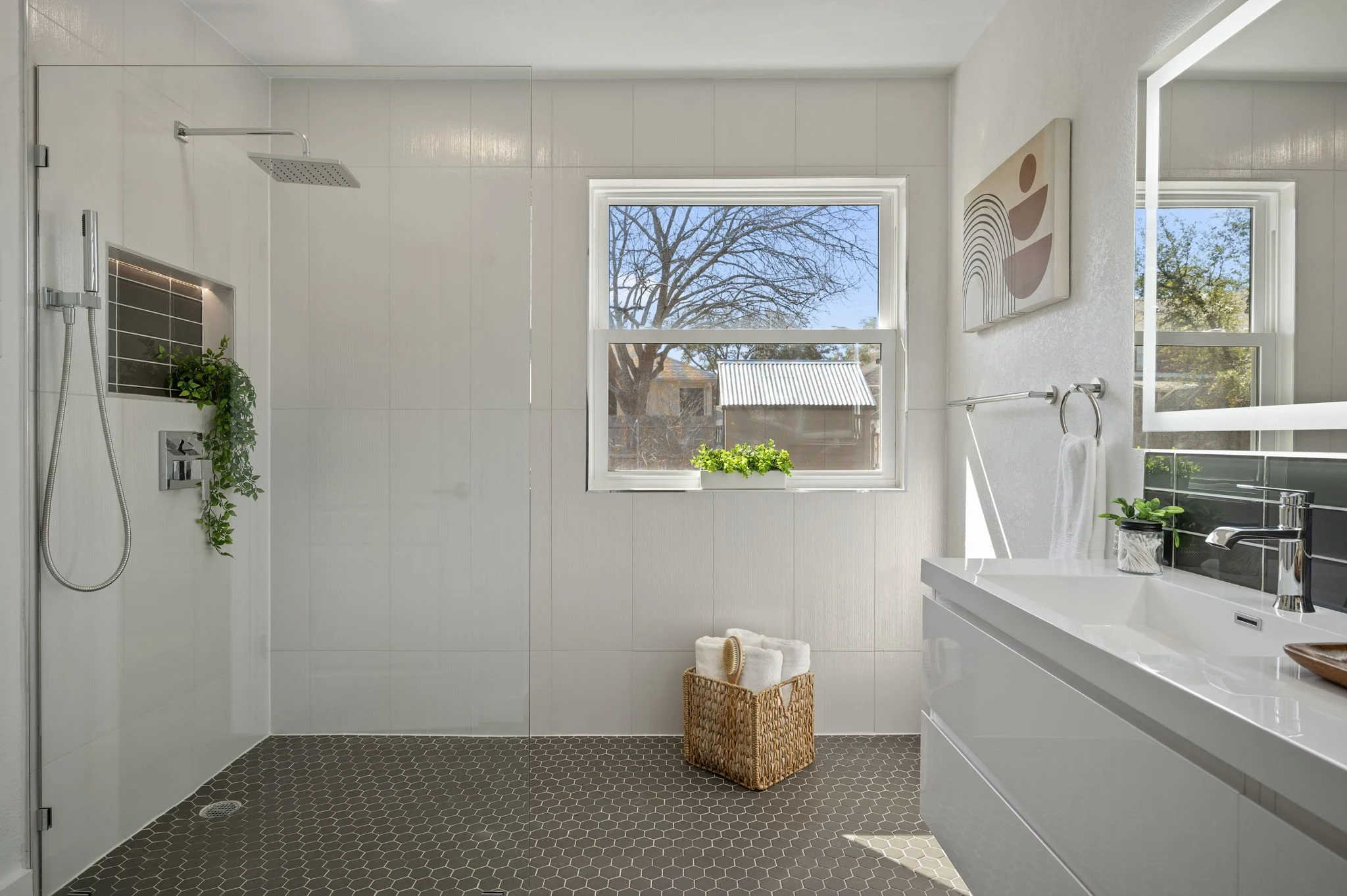
Bathroom Renovation in Austin: Process, Real Costs, and What to Expect

Full-Home Renovation in Austin: How to Plan It, What It Costs, and How to Survive It
Thinking About a Kitchen Renovation?
We offer free consultations — in person or over the phone. Tell us what you're envisioning and we'll give you an honest picture of what it would take and what it would cost.
Get a Free Consultation